

PLANNING, INFRASTRUCTURE, TRANSPORTATION AND CONSTRUCTION DATABASE MANAGEMENT SOFTWARE
Comprehensive solution for managing planning, technical infrastructure, transportation and construction databases on GIS platform
Overview

Construction planning records and operations management
Technical infrastructure status management
Construction activity management
BIM (Building Information Modeling)
Statistical reports
Map data management
Infrastructure and Interdisciplinary Database Integration Solution
The system is located at a data center with a Data Center that meets Level 3 security and backup standards
The database is converted from input data sources such as AUTOCAD or MICROSTATION drawings on the VN2000 coordinate system.
Capable of integrating with Project 06 database; National land database and Construction sector database systems (Planning database, technical infrastructure...)
Web portal for the planning management system
Administrative dashboard
Cadastral database
Urban technical infrastructure
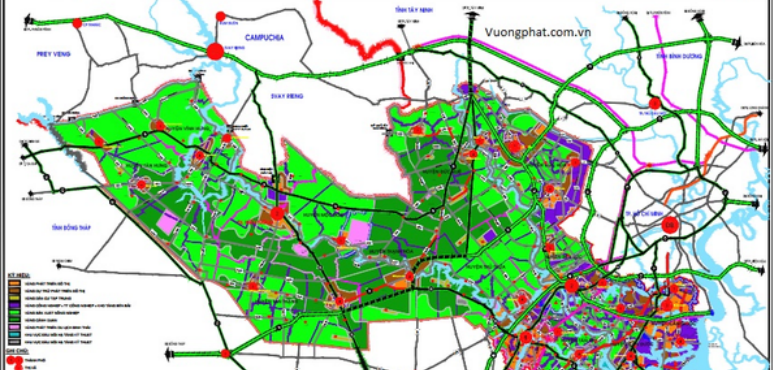
Planning map
Construction permit management
Urban development, Housing and Real Estate Market
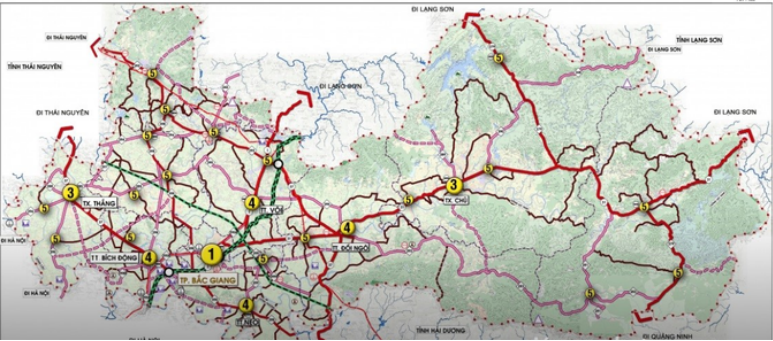
Transportation infrastructure
Support library
User management
Administrative reports
Administrative dashboard
Cadastral database
Urban technical infrastructure
Planning map
Construction permit management
Urban development, Housing and Real Estate Market
Transportation infrastructure
Support library
User management
Administrative reports
Benefits of solution
Government
Functions supporting government management
Resource management
Urban data management
Urban infrastructure management
Planning management
Permit management
Citizens
Functions supporting citizens
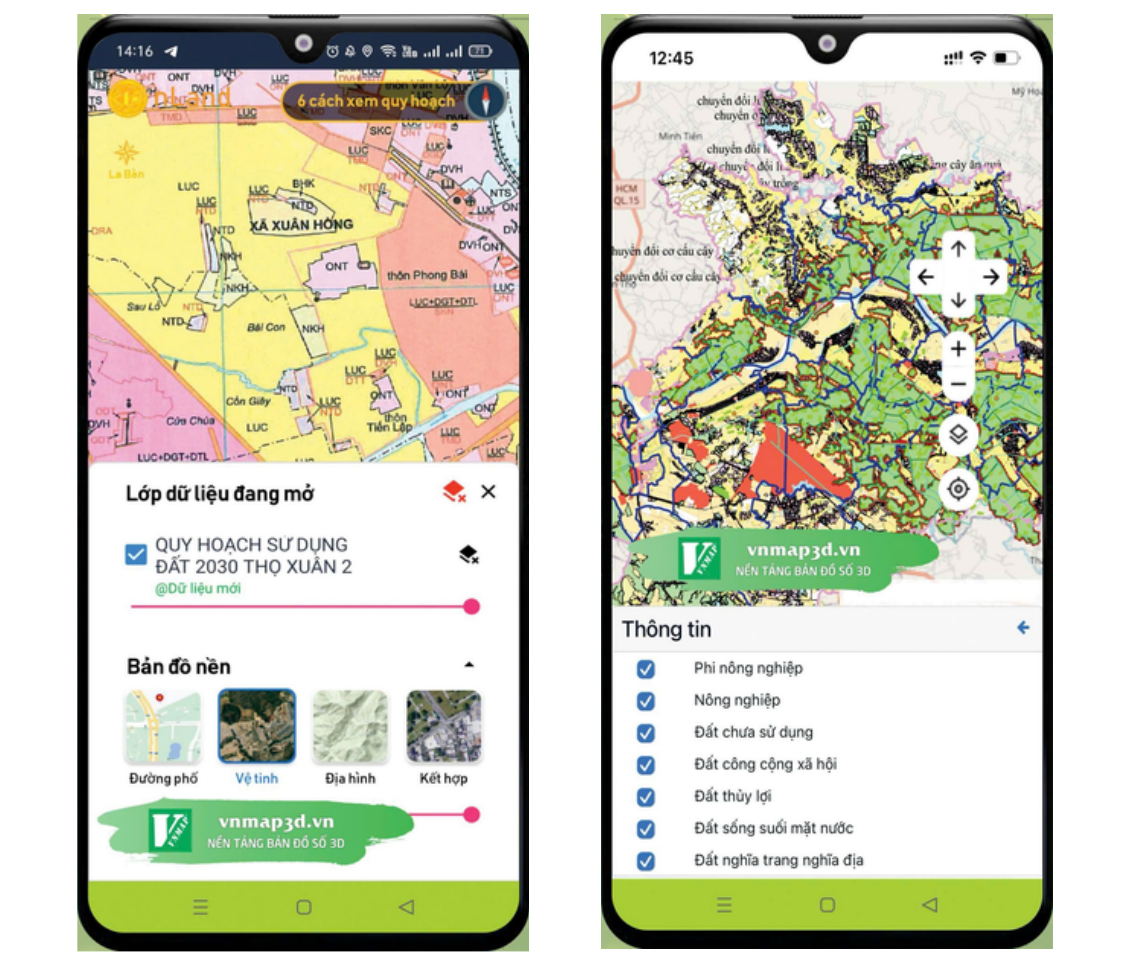
Mobile application providing planning information and land resources for citizens
Enterprises
Applications for enterprises
Real estate
Electricity, water
Urban area lighting
Industrial zones
Map service
Map service & GIS database
Serving urban management on GIS geographic information platform
Map digitization, drawing from satellite images
Data conversion and cleaning
Data standardization according to current standards
Data analysis
Thematic map presentation with specialized data
Map presentation on software systems such as Arc GIS, Open-source GIS
SDI – Spatial Data Infrastructure
High-resolution remote sensing images
For building baseline data, managing forests, canals, reservoirs and transportation, wharves, material mines,...
SPOT remote sensing images
KOMPSAT remote sensing images
Planet remote sensing images
World View remote sensing images
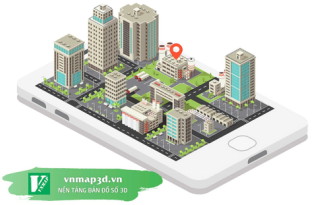
GIS software and services
Providing base maps, geographic data processing capabilities for other application software
GIS data analysis
WebGIS
Mobile
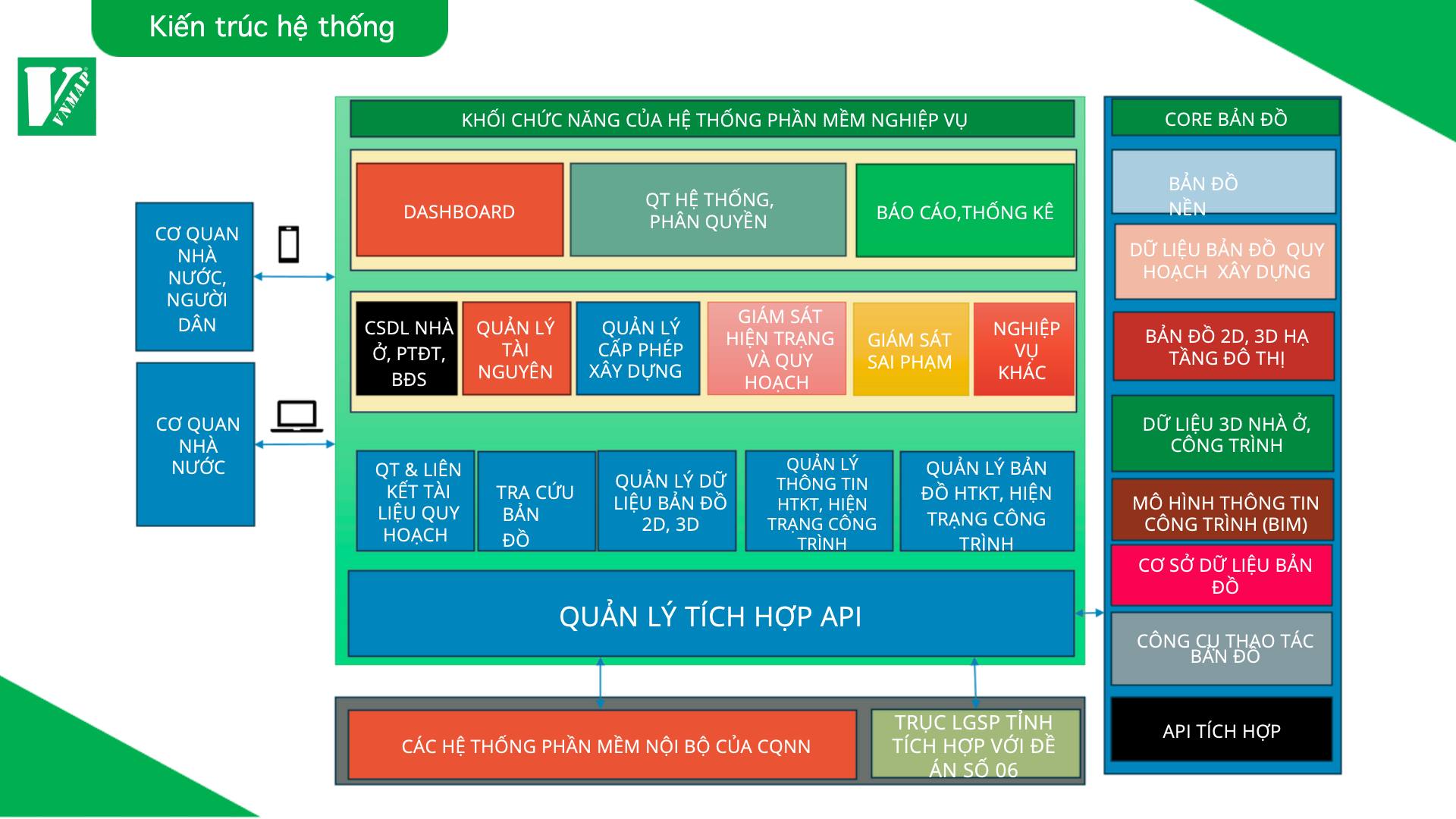
System architecture
BIM - Building Information Modeling
BIM stands for Building Information Modeling. It is a technological process in the construction and architecture field, helping to create and manage information of a project throughout its lifecycle, from design, construction to operation and maintenance.
Definition of BIM
BIM is not just a 3D drawing, but a digital data system that links all information of the project (structure, architecture, MEP, materials, construction time, costs...).
BIM Model
A BIM model contains:
3D spatial model of the project (geometry)
Time (construction schedule)
Cost
Operation management
Sustainability, maintenance
Benefits of BIM
Early detection of technical conflicts between disciplines (e.g. MEP pipes colliding with beams)
Helps manage projects more accurately in terms of schedule and cost
Better coordination between stakeholders (investors, contractors, consultants)
Supports operation and maintenance of projects after completion
Urban planning and technical infrastructure management solution
Overview
A system for digitizing urban data, helping to manage, publish planning, collect opinions, monitor and analyze information about planning, transportation, water supply and drainage, electricity, telecommunications, greenery, lighting... through GIS maps and low-altitude satellite remote sensing technology. Supports management agencies, businesses and citizens in looking up planning information, monitoring infrastructure, optimizing urban operations and supporting decision-making.
Target Customers
Central Level
Cấp Trung ương
Local Level
Cấp địa phương
Benefits
Centralized, synchronized data management:
Synchronized, unified digital map system with high accuracy
Data is stored centrally
Full management of drawing update versions, ensuring no discrepancies when widely published
Easy access on demand
Improving service quality for citizens:
Meeting the needs of citizens, organizations, businesses and investors to access urban planning information
Citizens have access to official and fastest urban planning information anytime, anywhere
Modernizing and improving state management operations in planning management:
Reducing administrative procedures through timely information provision, resolving feedback and recommendations on urban planning
Reducing time for searching and synthesizing data on status and planning because data is synthesized directly from the database
Improving urban quality:
Planning supervision is carried out continuously and regularly, supporting functional agencies in early detection of planning changes and illegal construction
Promptly handling feedback and recommendations from citizens, helping to improve living standards, improve quality and increase connection between citizens and functional agencies.
Main Features
01. URBAN PLANNING AND INFRASTRUCTURE MANAGEMENT:
Planning and infrastructure data management:
- •Data management on maps
- •Editing, adjusting, configuring colors and planning symbols
- •Collecting, updating planning data
Planning records and projects management:
- •Managing records and projects by planning
- •Easy searching and retrieving records by multiple criteria
Technical infrastructure incident feedback management:
- •Managing feedback list
- •Receiving and processing feedback according to procedures
- •Adding new feedback
- •Updating processing results
- •Evaluating processing results
Monitoring and analyzing urban order data:
- •Monitoring planning changes, illegal construction
- •Data analysis, alerting violating projects
Professional operations management:
- •Construction permits
- •Evaluation of planning tasks/projects
Statistical reports:
- •Statistical data, summarizing information in the form of data, maps
- •Reporting according to standard unit templates
02. System Administration:
User management
Organizational structure management
Role and permission management
Catalog management
Dynamic workflow management
03. URBAN PLANNING AND INFRASTRUCTURE INFORMATION PORTAL:
Information portal
- •Looking up information, planning locations and related legal documents
- •Looking up urban infrastructure information, locations and infrastructure images
04. DATA SYNCHRONIZATION AND INTEGRATION:
Data synchronization and integration
- •Synchronizing records, information, record status with public services
- •Synchronizing legal documents
- •Synchronizing feedback
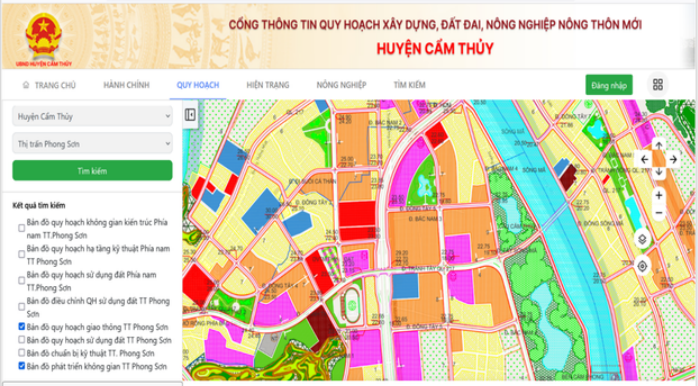
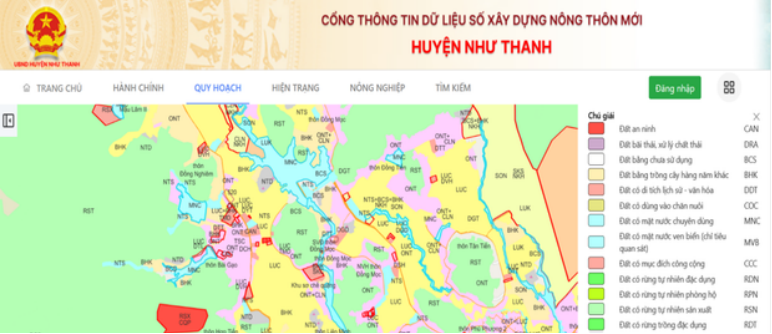
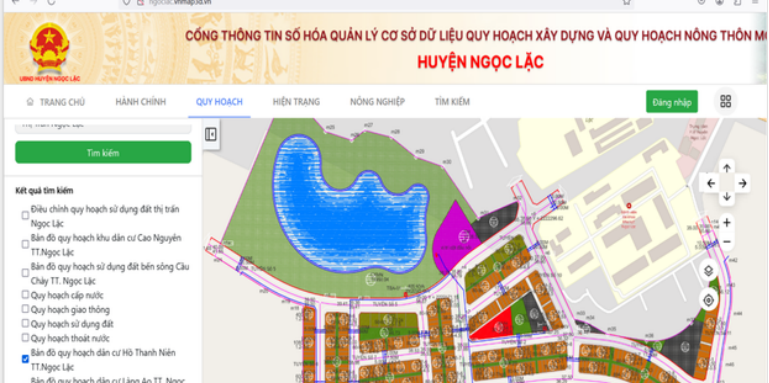
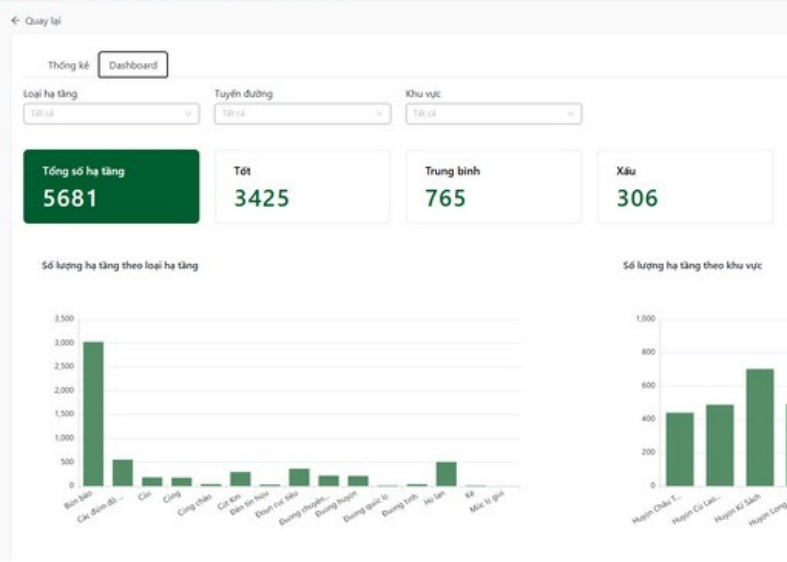
Software Interface

Transportation infrastructure management solution
Overview
A solution for digitizing and managing transportation infrastructure databases and monitoring transportation facilities such as roads, bridges, tunnels, ports, airports, railways on a GIS digital map platform. The system uses IOT and Big Data to track infrastructure status, alert incidents, optimize maintenance and support decision-making to improve management efficiency, reduce operating costs and ensure traffic safety.

Target Customers
Central Level
Cấp Trung ương
Local Level
Cấp địa phương
Benefits
Creating a synchronized, centralized database platform for transportation infrastructure:
Data is stored centrally, easily accessible
Can share or integrate data from other systems
Effectively supporting infrastructure maintenance and repair:
Replacing traditional tools when performing road patrol and inspection operations
Supporting record making and reporting on applications, eliminating traditional paper procedures with many risks
Monitoring and promptly handling incidents related to transportation infrastructure:
Digitizing, centrally and directly managing developments on routes (infrastructure asset damage, corridor violations, transport violations, traffic accidents...) quickly and conveniently
Modernizing and improving state management operations in transportation infrastructure management:
Changing the method of managing transportation infrastructure data from traditional methods to digital technology and database technology in the digital transformation roadmap
Minimizing time for searching, using records and information on transportation infrastructure projects thanks to digitization, building and managing transportation infrastructure databases
Integrating smart traffic, improving safety and operational quality:
Supporting traffic flow and accident data analysis, supporting timely infrastructure adjustments
Supporting smart traffic management by integrating with IOT sensors and surveillance cameras
Main Features
01. TRANSPORTATION INFRASTRUCTURE MANAGEMENT:
Transportation infrastructure data management:
- •Data management on maps
- •Editing, adjusting, configuring colors and symbols for transportation infrastructure
- •Collecting, updating data
Transportation infrastructure maintenance management:
- •Scheduling maintenance for transportation infrastructure
- •Managing maintenance work
- •Managing list of maintained infrastructure
Incident feedback management:
- •Managing feedback list
- •Receiving and processing feedback according to procedures
- •Adding new feedback
- •Updating processing results
- •Evaluating processing results
Statistical reports:
- •Statistics on transportation infrastructure volume by route, area,...
- •Reports on transportation infrastructure maintenance work
- •Reports on incident and feedback handling work
02. SYSTEM ADMINISTRATION
User management
Organizational structure management
Role and permission management
Catalog management
Dynamic workflow management
03. URBAN PLANNING AND INFRASTRUCTURE INFORMATION PORTAL
Information portal
- •Looking up and accessing transportation infrastructure database on maps
04. ADVANCED SUBSYSTEM
Traffic monitoring and management
- •Using multi-time Planet images to monitor construction progress of transportation infrastructure
- •Real-time monitoring of traffic facility displacement in three-dimensional space with mm accuracy
- •Integrating camera data, sensors, ... to serve traffic monitoring and management.
Traffic safety corridor management
- •Combining traffic corridor data and remote sensing images to perform data analysis
- •Automatically detecting changes and identifying traffic corridor fluctuations over time
- •Providing forecasts and warnings about traffic corridor fluctuations
Software Interface
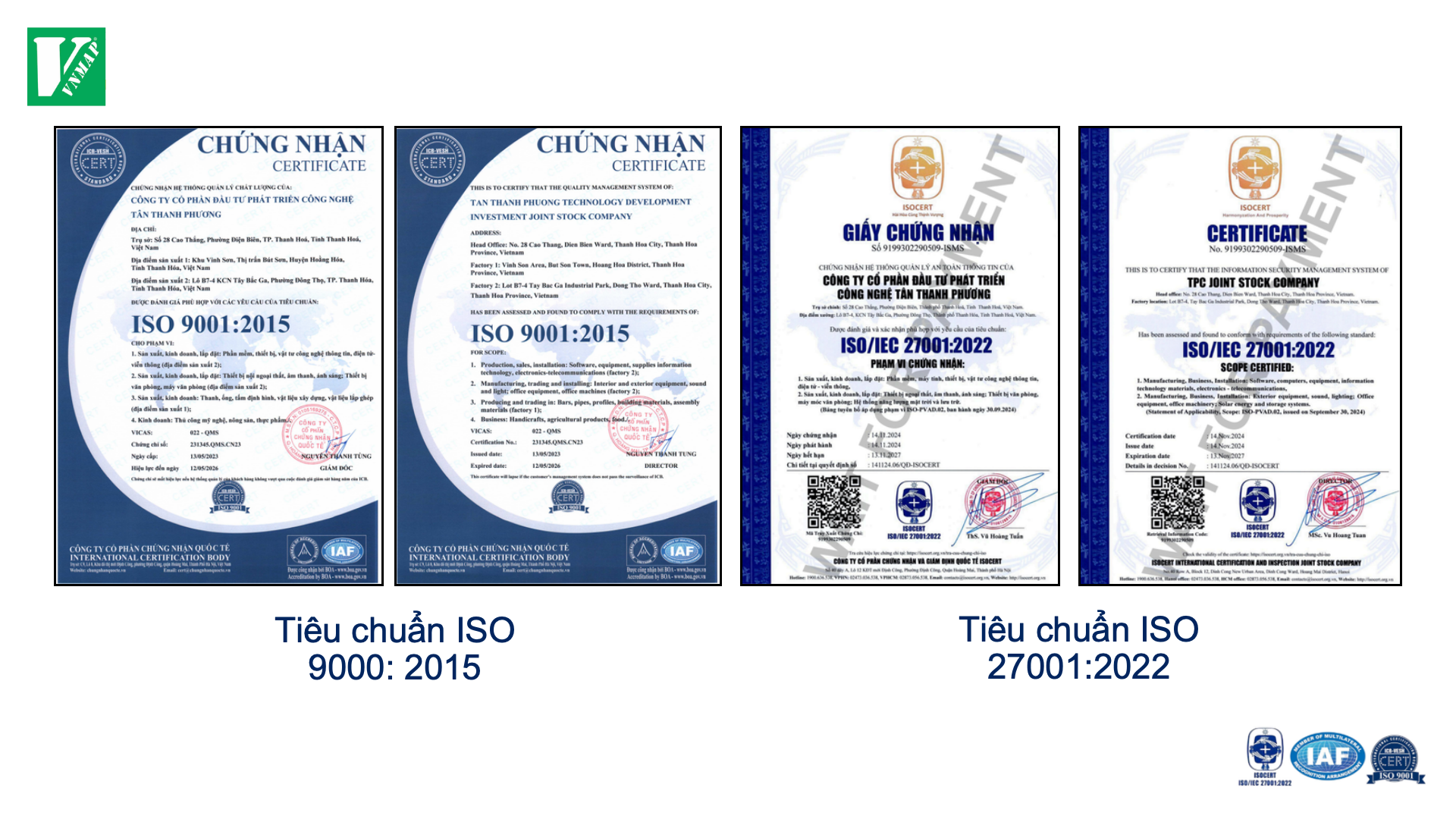
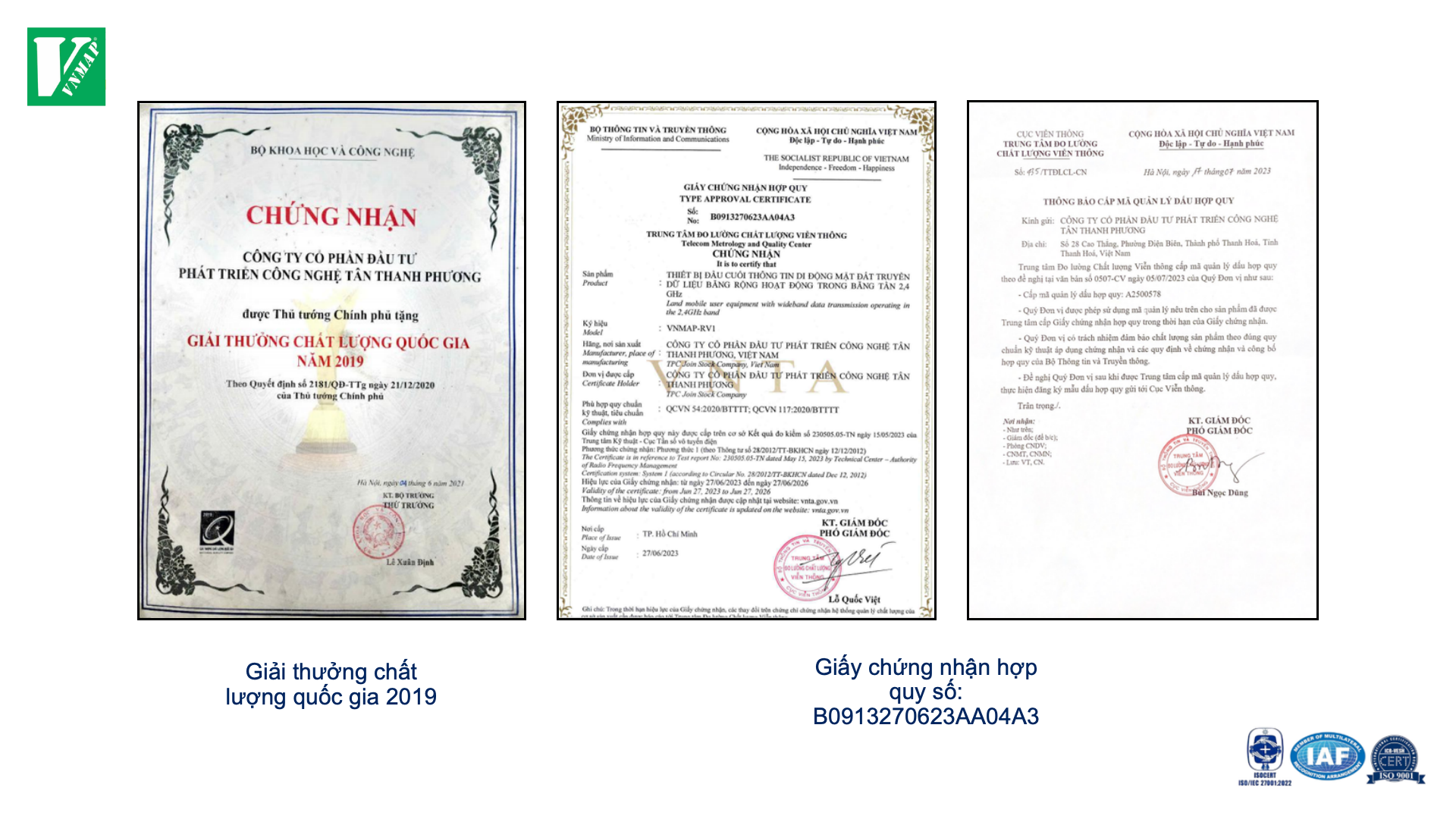
Certificates & Awards



Get Started with VNMAP Infrastructure Solution
Contact us to learn more about our infrastructure management solution and how it can help your organization.
Contact Now